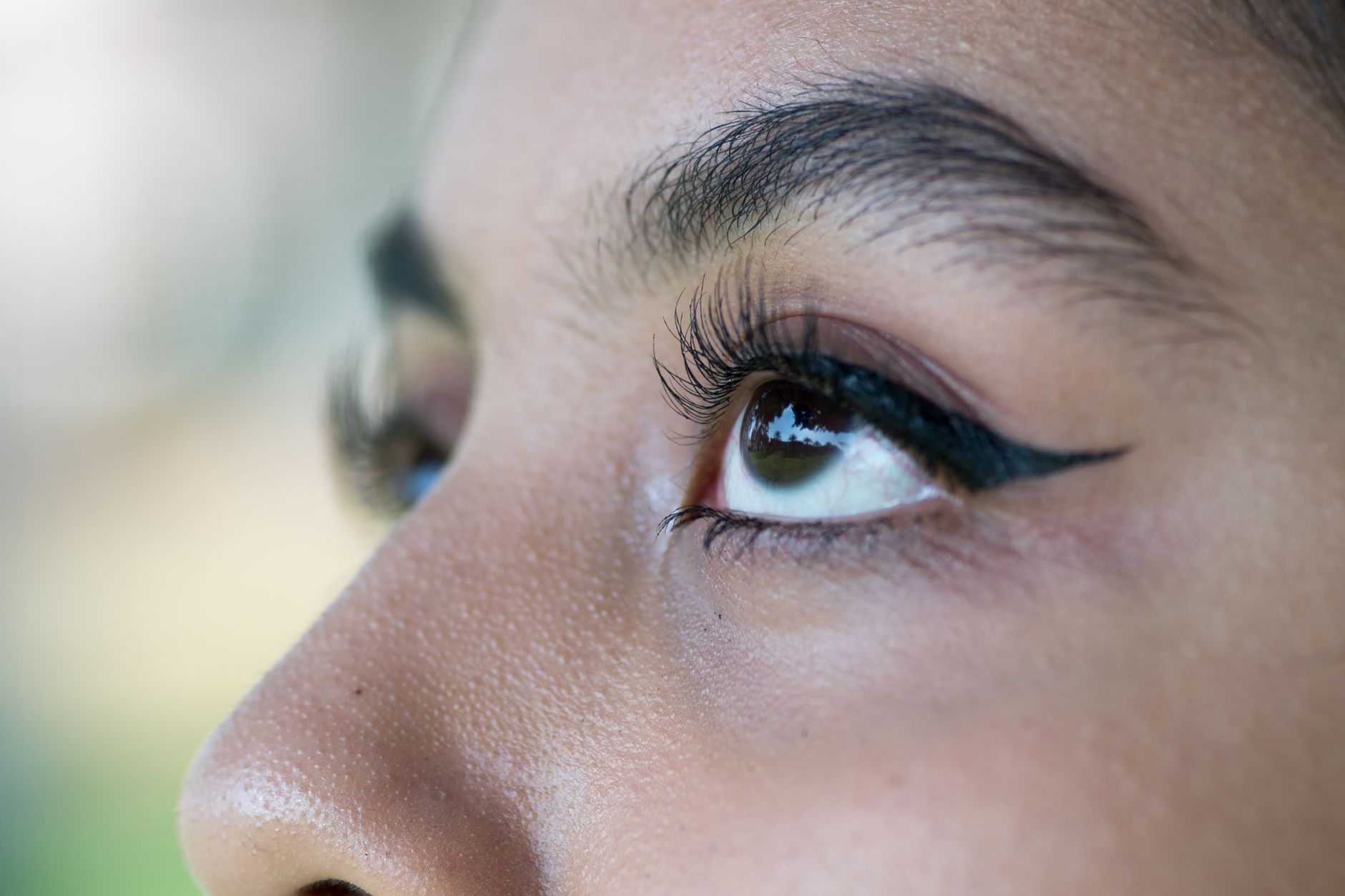
While facial contouring has traditionally focused on defining the jawline, chin, and cheekbones, the upper face plays an equally critical role in creating a balanced, masculine appearance. Among men seeking facial rejuvenation, eyelid surgery has emerged as one of the most transformative yet understated procedures available. When performed with an understanding of male facial aesthetics, it addresses concerns that go far beyond vanity—restoring alertness, openness, and the energetic expression that often diminishes with age or genetics.
Understanding Eyelid Surgery in the Context of Male Aesthetics
Eyelid surgery, or blepharoplasty, involves the surgical removal or repositioning of excess skin, muscle, and sometimes fat from the upper and lower eyelids. For men, the goals differ significantly from traditional approaches. Rather than creating a wide-eyed or overly refreshed appearance, the masculine approach prioritizes maintaining natural depth, preserving the slightly hooded characteristic of male eyes, and eliminating only the functional or aesthetic barriers caused by sagging tissue.
Men typically seek this procedure to address:
- Heavy, drooping upper eyelids that create a tired or aged appearance
- Excess skin that impairs peripheral vision or hooding over the lash line
- Under-eye bags that persist despite adequate sleep and healthy lifestyle
- Asymmetry between the two eyes
- A perpetually fatigued look that does not reflect how they actually feel
In the broader context of facial aesthetics, the eyes serve as a focal point of engagement and expression. Even the most perfectly contoured jawline or balanced facial thirds can be undermined by tired, heavy-lidded eyes that convey disinterest or exhaustion.
Why Men Are Increasingly Choosing Eyelid Surgery
The rise in male aesthetic procedures is well-documented, but eyelid surgery occupies a unique position. Unlike jaw or chin augmentation, which create dramatic structural changes, eyelid surgery for men delivers results that are immediately noticeable to the patient but subtle enough that colleagues and acquaintances may not identify what changed—only that the individual looks more rested and approachable.
This subtlety is particularly valued in professional contexts. Studies have shown that facial fatigue, particularly in the eye region, can negatively impact perceptions of competence, trustworthiness, and leadership capability. For men in competitive fields—whether corporate, creative, or entrepreneurial—the appearance of alertness and vitality is not superficial; it directly affects how others respond to their presence and ideas.
Additionally, many men discover that upper eyelid heaviness is not merely aesthetic but functional. Excess skin can reduce the upper visual field, forcing compensatory behaviors like raising the eyebrows constantly or tilting the head back to see clearly. These habits can lead to forehead tension, headaches, and further facial aging.
The Masculine Approach to Blepharoplasty
Successful eyelid surgery for men requires a fundamentally different technical and aesthetic approach than procedures designed for women. Male eyelid anatomy features:
- A lower, flatter brow position
- Thicker skin with more robust muscle attachments
- A naturally deeper-set eye appearance
- Less emphasis on visible eyelid show
Surgeons experienced in male facial aesthetics understand that removing too much skin or fat can create a hollow, gaunt appearance that reads as unnatural or even feminized. The goal is not to open the eye as much as possible, but to remove only what is functionally or aesthetically problematic while preserving the masculine architecture of the brow-eye relationship.
Upper Eyelid Surgery
Upper blepharoplasty typically involves an incision hidden within the natural eyelid crease. Through this access point, excess skin is carefully measured and removed, and if necessary, small amounts of fat are repositioned or reduced. The key is conservative removal—leaving enough tissue to maintain a natural contour and avoid the “operated” look that comes from overly aggressive tissue removal.
Lower Eyelid Surgery
Lower eyelid surgery addresses under-eye bags, which result from fat pad herniation rather than simply loose skin. For many men, a transconjunctival approach (incision inside the lower lid) allows the surgeon to reposition or remove fat without any external scarring. When skin laxity is also present, a subciliary incision just below the lash line may be used, though this is less common in younger patients.
Recovery and Downtime Considerations
One of the most frequent questions men ask about eyelid surgery concerns recovery time and visibility of the procedure. While individual healing varies, most patients experience:
- Swelling and bruising that peaks around 48-72 hours post-surgery
- Sutures removed within 5-7 days
- Return to non-strenuous work within 7-10 days
- Clearance for exercise and heavy lifting at 2-3 weeks
- Final results visible at 3-6 months as residual swelling fully resolves
Strategic planning can minimize social and professional disruption. Scheduling surgery before a planned vacation or during a naturally slower work period allows for initial healing in private. High-quality sunglasses can conceal residual bruising during the early return-to-work phase.
Combining Eyelid Surgery with Other Facial Procedures
Many men choose to address eyelid concerns as part of a comprehensive facial rejuvenation plan. Common combinations include:
Brow Lift: When eyebrow ptosis (drooping) is contributing to upper eyelid heaviness, a brow lift may be performed concurrently or even instead of eyelid surgery. Proper diagnosis is critical—removing eyelid skin when the real problem is brow position can result in an incomplete correction or unnatural appearance.
Non-Surgical Contouring: Patients often integrate dermal filler treatments for the midface, jawline, or chin alongside eyelid surgery. By addressing multiple aspects of facial aging or disproportion simultaneously, the overall result appears more harmonious and balanced.
Skin Resurfacing: Laser treatments or chemical peels can improve skin texture, reduce fine lines, and enhance the overall rejuvenation effect when performed in coordination with eyelid surgery.
Selecting a Surgeon for Male Eyelid Surgery
Not all plastic surgeons or oculoplastic specialists have extensive experience with male patients. When evaluating potential surgeons, consider:
- Before-and-after galleries specifically featuring male patients
- Board certification in plastic surgery or ophthalmology with oculoplastic fellowship training
- A consultation approach that emphasizes listening to your specific concerns rather than applying a one-size-fits-all solution
- Realistic expectations about outcomes and limitations
- Transparent discussion of risks, including asymmetry, scarring, dry eyes, or need for revision
A skilled surgeon will assess your entire facial structure during consultation, not just your eyelids in isolation. They should discuss how the proposed changes will integrate with your existing bone structure, soft tissue proportions, and overall aesthetic goals.
Long-Term Results and Maintenance
Eyelid surgery produces long-lasting results, with most patients enjoying their outcome for 10-15 years or more. However, aging continues, and some patients eventually notice recurrent mild hooding or under-eye changes. These can often be addressed with minor revision procedures or non-surgical interventions like radiofrequency skin tightening.
Maintaining results involves:
- Consistent sun protection to prevent premature skin aging
- Quality sleep and stress management to minimize under-eye puffiness
- Skincare routines that support collagen production and skin elasticity
- Avoidance of smoking, which accelerates facial aging
The Psychological Impact of Refreshed Eyes
Beyond the physical changes, many men report significant psychological benefits following eyelid surgery. The restoration of a rested, alert appearance often translates to increased confidence in professional settings, greater comfort in photographs and video calls, and a renewed sense that their external appearance aligns with their internal vitality.
This is not about conforming to arbitrary beauty standards, but about removing barriers that prevent authentic self-expression. When chronic eyelid heaviness is corrected, patients often find they no longer avoid eye contact, feel less self-conscious in social situations, and approach professional opportunities with renewed confidence.
Conclusion
Eyelid surgery represents a powerful tool within the broader landscape of male facial aesthetics. When integrated thoughtfully with other contouring techniques—whether surgical or non-surgical—it contributes to a comprehensive rejuvenation that honors masculine facial characteristics while addressing the specific concerns of aging and genetics. For men seeking to project energy, competence, and approachability, few procedures deliver such meaningful improvement with such natural-looking results.
As with all aesthetic decisions, the key is selecting a qualified surgeon who understands the unique requirements of male facial anatomy and who can craft an individualized surgical plan that aligns with your goals, lifestyle, and long-term vision for your appearance.